The Ultimate Guide to the Best Welding Glove for Any Weld: Finding Perfect MIG Welding Gloves and Gloves for MIG Operations
Striking an arc creates a massive burst of heat, bright light, and flying metal sparks. To stay safe and get the job done right, you need proper hand protection. The safety equipment market offers endless choices, making it tough to figure out what gear truly works. This complete guide breaks down exactly how to pick the right protective hand gear for every single project. We will explore the differences between different materials, explain safety ratings, and show you how a great pair of protective handwear balances durability with pure comfort. If you care about keeping hands safe while boosting daily output on the shop floor, this article is absolutely worth reading.
What Makes a Welding Glove Essential for Every Weld?
Every weld presents unique dangers. When you strike a hot arc, you expose your hands to extreme heat and sharp metal edges. Therefore, specific welding gloves are designed to act as a physical barrier between your skin and these hazards. Unlike basic gardening gear or a simple pair of general safety gloves, a dedicated welding glove uses specialized layers to block intense thermal energy.
A standard glove simply will not survive a hot weld. When you perform general welding, the sparks easily burn through cotton or nylon. That is why an authentic leather welding gloves option becomes your best friend. Leather acts as a tough shield against flying molten spatter. It stops the heat from reaching your skin. Beyond that, a reliable glove must resist cuts and scrapes when you handle rough steel plates before you even start the weld.
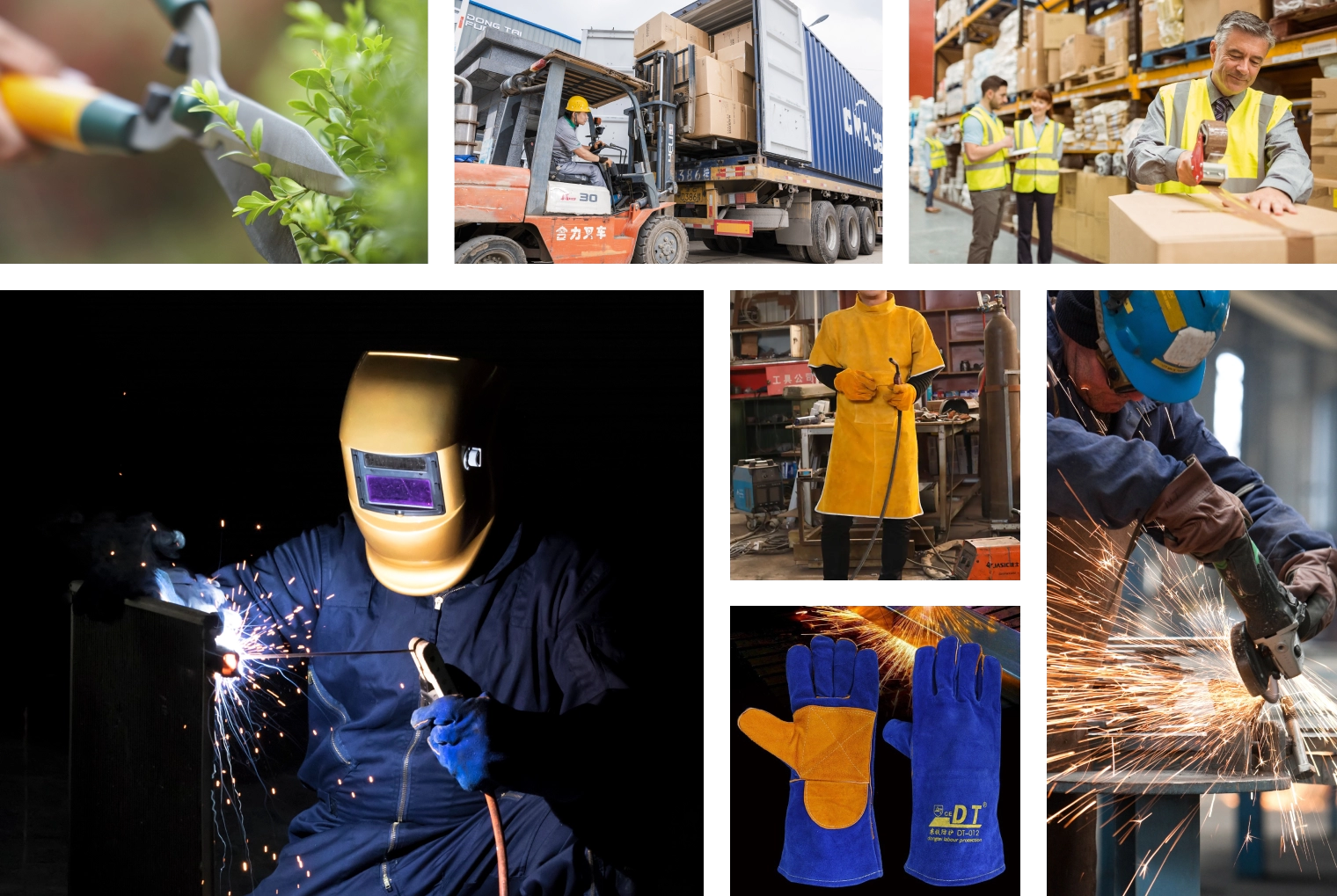
You also need consistent heat protection over time. Cheap materials shrink and crack when exposed to extreme heat repeatedly. A high-quality glove maintains its shape, so you can finish the weld comfortably. If you source supplies for a big crew, providing a dependable 14'' Black and Golden Yellow Cowhide Welding Gloves option ensures your team stays safe during every single weld they complete.
Why Do MIG Welding Tasks Demand Specific MIG Welding Gloves?
MIG welding runs fast and hot. Because you constantly pull a trigger and guide a hot gun, your hands take a beating. Therefore, MIG welding gloves require a specific thickness to handle the heavy spatter that MIG produces. When you shop for gloves for MIG, you will notice they are much thicker than other types.
Most MIG welders prefer a glove made from durable cowhide leather. Cowhide provides incredible thermal insulation. Many premium gloves for MIG feature a split cowhide back. The split leather texture resists heat exceptionally well while remaining somewhat flexible. A thick MIG glove provides the needed armor when you rest your hand on a hot metal table to stabilize the weld.
Pro Tip: Always look for a heat-resistant lining inside the MIG glove. A soft cotton or foam lining absorbs sweat and adds another barrier against the heat of the weld.
Even though a MIG glove is thick, you still need enough movement to grip the welding gun. A good pair of gloves for this process strikes a balance. They must be heavy enough to block sparks, but not so stiff that you cannot pull the trigger. For maximum safety during these hot jobs, consider a reliable 14 inch Dark Green Leather Welder Protective Gloves to keep your hands fully covered.
How Do TIG Welding Gloves Compare to Standard Work Gloves?
TIG welding is a completely different beast. It requires extreme precision. You have to hold a small torch in one hand and delicately feed a thin filler rod with the other hand. Because of this, TIG welding gloves look and feel entirely different from heavy MIG options. A TIG operation produces very few sparks, but it still generates intense heat.
To achieve high dexterity, a TIG glove is usually thinner and often unlined. A popular material choice is premium goatskin or kidskin. In fact, many professionals specifically hunt for kidskin tig welding gloves because kidskin is incredibly soft and pliable. When you wear a thin goatskin TIG glove, you can actually feel the filler wire roll between your fingers. Standard work gloves simply cannot offer this level of fine touch.
Here is a quick look at how the glove types differ:
| Feature | MIG Glove | TIG Glove |
|---|---|---|
| Material | Thick cowhide | Thin goatskin or kidskin |
| Lining | Foam or fleece lined | Usually unlined |
| Dexterity | Low to medium | Extremely high |
| Spatter Resistance | High | Low |
If you try to use a bulky cowhide glove for a TIG weld, your hand will cramp. You will fail to feed the wire smoothly. Therefore, buying dedicated TIG gloves is crucial for mastering the TIG process.
Can the Best Welding Gloves Truly Improve a Welder's Precision?
Yes, absolutely. The best welding gloves do much more than just protect your skin; they actively improve your daily work. If a glove fits poorly, your fingers slide around inside. This makes every weld sloppy. When you engage in precision metal working, a snug, well-fitting glove gives you total control over the weld puddle.
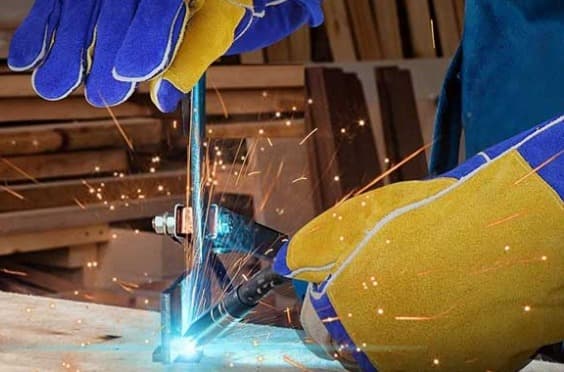
An experienced welder knows that hand fatigue ruins a good weld. If you fight against stiff leather all day, your hands get tired quickly. A supple leather glove reduces hand strain. This improved comfort directly translates to a better welding experience. You can lay down a smoother weld bead when your hands feel relaxed.
For wholesale buyers, providing crews with the right gloves for welding boosts overall productivity. A pro needs a glove that moves like a second skin. It allows the welder to twist the torch easily and maintain the perfect angle throughout the entire weld.
What Features Define a Reliable Stick Welding Glove?
Stick welding, also known as SMAW, is the heavy-duty king of the shop. A stick weld throws off massive amounts of sparks, slag, and intense heat. Because the process is so aggressive, a stick welding glove must be the toughest piece of gear in your bag.
You need to insulate your hands heavily against this extreme heat. Therefore, a stick welding glove uses the thickest cuts of leather available. Sometimes, you will even see a mitt style used for heavy stick pipelines, as keeping the fingers together retains less heat. A great stick glove will have layers of insulation to block radiant heat from the hot electrode.
- Key features of a great stick glove:
- Maximum thickness for heavy insulation.
- Stiff leather to deflect heavy slag.
- Wide cuffs to easily shake off the glove if it gets too hot.
While a stick glove sacrifices dexterity, the trade-off is necessary to survive the brutal heat of a high-amperage stick weld. Always pick a heavily insulated option when working with large stick electrodes.
Is Black Stallion or Tillman the Only Option for a Quality Glove?
When welders talk about gear, big brand names always pop up. Many workers swear by a Black Stallion or a Miller glove. Others refuse to weld without their favorite Tillman gloves or a classic Lincoln pair. Recently, brands like Arccaptain have also entered the market. But are these famous brands the only way to get a durable glove?
The simple answer is no. Most of these big brands source their products from specialized OEM manufacturers overseas. As a sourcing director, you can often find the exact same premium goatskin or heavy cowhide from a direct factory. A private label glove can offer the same robust Kevlar stitching and comfort as a Black Stallion or Miller product, but at a fraction of the cost.
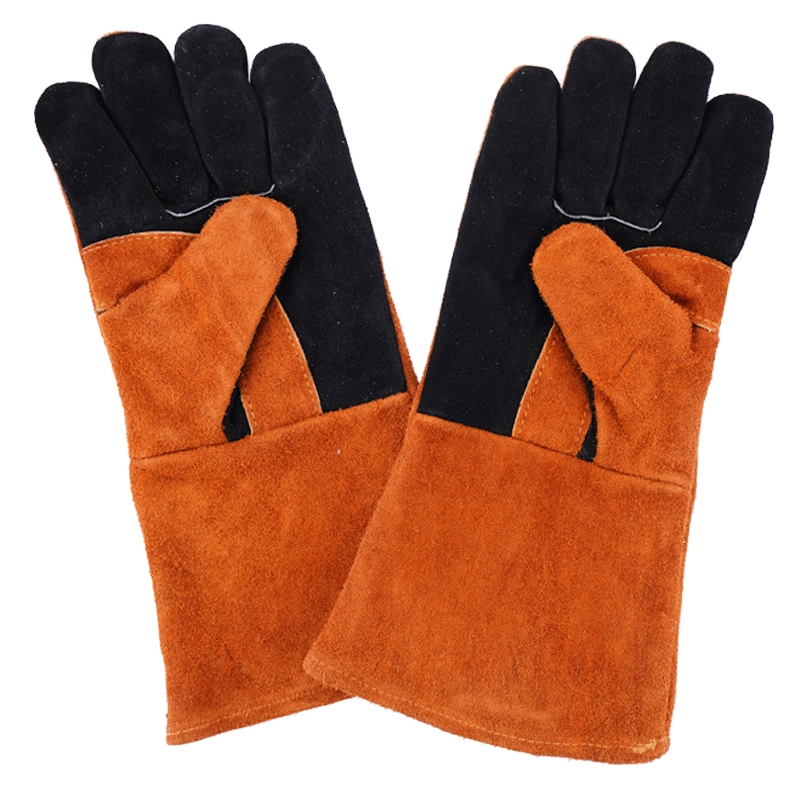
Whether you buy an Arccaptain glove or order a custom batch for your own brand, the material and construction matter most. Many independent leather gloves rival the big names in both safety and longevity. By exploring OEM options like 35cm Palm Cowhide Arm Microfiber Leather Welding Gloves, you secure top-tier quality while maximizing your profit margins.
How Does Leather Type (Cowhide, Goatskin, Pigskin) Impact Glove Durability?
Not all leather is created equal. The type of animal hide drastically changes how the glove performs during a weld.
First, let's look at cowhide. It is the most common material because it is incredibly tough and highly heat resistant. You will often see a split cowhide back on heavy-duty gloves. Split leather has a rough texture that resists heat well. Top grain cowhide, on the other hand, is smoother, repels water better, and offers a cleaner look.
Next is pigskin. A pigskin glove is fantastic for damp or oily conditions. Pigskin has a unique porous texture. Even if it gets wet, a pigskin glove dries soft, whereas a cowhide glove might dry stiff and brittle. Pigskin is highly durable and withstands tough working environments well.
Finally, we have goat leather. Goatskin leather is naturally rich in lanolin, making it the softest and most pliable option. That is why tig welding gloves heavily rely on goatskin. If you need fine touch, you want a glove made from top grain goat leather.
What Role Do Cut Resistant Properties Play in a Welding Glove?
Welders do not just weld; they grind, cut, and handle sharp sheet metal. A standard glove protects against heat, but a sharp piece of steel can easily slice through basic leather. That is why modern gloves for welding often include cut resistant liners.
Many buyers now demand an ANSI rated cut glove. These gloves feature hidden liners made from strong fibers that stop blades and sharp edges. To keep the glove together, manufacturers sew the seams with high-strength thread, like Kevlar. Kevlar thread will not burn or melt when sparks hit it, meaning your glove will not fall apart mid-weld.
Furthermore, high-wear areas need extra help. Good manufacturers reinforce the thumb saddle and palm with extra layers of leather. These palm reinforcements ensure the glove survives the harsh reality of moving heavy metal pipes all day. When you combine cut resistance with tough Kevlar stitching, you get a remarkably durable tool.
How Long Should a TIG Glove Cuff Be to Provide Maximum Shield?
The length of the cuff on your glove is just as important as the palm material. A short cuff leaves your wrists exposed to nasty UV rays and hot sparks. When you rest your arm on a hot table to do a long weld, you need that extra coverage.
Some welding gloves with 4 -inch cuffs provide decent coverage for quick jobs. However, for serious work, you want a longer shield. Many standard gloves feature 14 inches of total length, which covers the wrist and lower forearm nicely. If you do overhead work or reach into tight, hot spaces, you might need a glove that extends up to 16 inches.
During long welding sessions, a long cuff also stops sparks from dropping inside your sleeve. Whether you use kidskin tig welding gloves or heavy stick gloves, always check the cuff length. A longer cuff acts as a vital shield against both heat and harmful UV light generated by the arc.
How Can a Welder Balance Heat Resistance and Dexterity in One Glove?
Finding the ultimate "do-it-all" glove is the holy grail for any welder. You want the heavy heat protection of a stick glove but the nimble dexterity of a goatskin TIG glove. While no single glove is perfect for every process, hybrid designs get very close.
Many modern welding gloves for mig and general use combine materials. They might use a heavy split cowhide back to block the heat from the arc, while using a softer top grain leather on the palm to improve grip. By adding strategic palm reinforcements only where needed, the glove stays flexible.
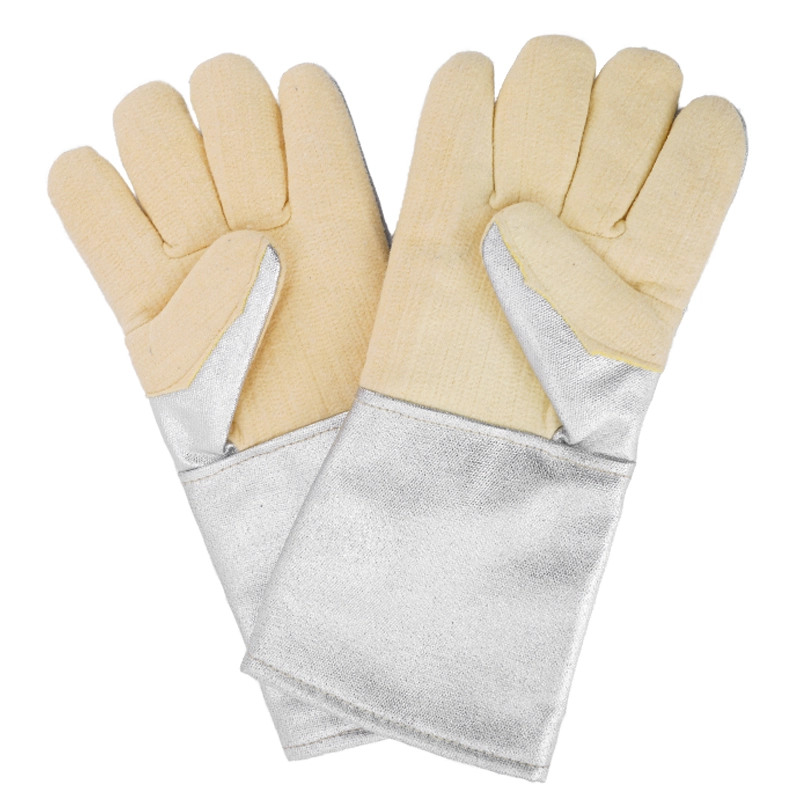
Whether you are a weekend hobbyist or a seasoned pro, having a well-balanced pair of gloves makes the job safer. Sometimes, extreme jobs require extreme solutions. For instance, jobs involving massive radiant heat benefit from a Kevlar with Aluminum Foil Heat Resistant Fire Retardant Gloves setup. The foil reflects the heat away, while the inner leather keeps your hands comfortable. By understanding the materials, you can easily find a thicker glove that still lets you move freely.