How to Compare Welding Jackets to the Best Welding Apron: A Guide to Bib and Sleeve Options
Step into any busy fabrication facility, and you will immediately notice the demanding environment. Safeguarding yourself from flying molten debris and extreme temperatures is a foundational requirement for anyone on the floor. In this comprehensive guide, we will discuss how proper defensive attire ensures your daily well-being. We will explore the nuanced differences between a traditional torso covering, a targeted arm covering, and full-body garments. By the end of this read, you will understand exactly how to secure your workspace and pick the proper safety layer for your daily routine. We know that sourcing equipment for a crew means finding the perfect balance between cost, weight, and defense. Let us dive deeply into the specific details of shop apparel.
1. Why Are Welding Aprons Critical for Safety in the Weld Environment?
Working with hot steel creates a chaotic and unpredictable atmosphere. Flying hot debris, glowing iron, and immense thermal radiation are everyday hazards in a typical weld shop. When it comes to armoring yourself against a volatile weld pool, you simply cannot take any shortcuts. If you wear regular clothes, synthetic fabric can actually melt into your skin, causing catastrophic, life-altering injuries. You absolutely need dedicated welding gears to act as a barrier against these severe dangers.
One vital piece of equipment is the front-facing garment. These pieces cover the front of your torso and legs, providing a massive area of coverage against flying welding sparks. You might assume a long-sleeved flannel shirt is enough to get by on a quick weld joint, but long-term exposure to harsh uv radiation and sudden splatter will quickly prove otherwise. The arc is unforgiving, and the radiant energy will scorch unprotected surfaces in seconds.
Choosing the proper defensive wear drastically reduces the risk of a severe burn. A sturdy leather apron ensures you walk away from the workbench without injury. It gives you the psychological confidence to focus entirely on laying down a perfect weld bead rather than flinching away from the popping slag. In the industrial sector, confidence translates directly into higher weld quality and better efficiency.
2. What Makes the Best Welding Apron for Heavy-Duty Work?
Finding the best welding apron involves carefully checking the primary raw materials and the manufacturing method. For heavy mig or arc applications, cowhide leather is king. This robust hide is incredibly durable and blocks glowing embers better than almost anything else available on the commercial market. The tanning process makes the hide tough yet pliable, allowing it to take a beating day after day.
The most reliable garment won't just block a little warmth; it will easily withstand the rigors of daily use. Look for items stitched with strong Kevlar thread. Standard thread burns up quickly when a stray ember hits it, causing the seam to split open and ruin the garment. Proper stitching ensures absolute maximum durability over months of hard, grueling labor.
Furthermore, an expertly crafted product will not restrict your daily movement. A dense leather piece might feel a bit stiff at first, but it quickly breaks in to offer a great balance of protection and comfort. Professionals who spend ten hours a day grinding and joining steel need apparel that moves fluidly with their body, not against it. Rigid gear causes fatigue, and fatigue leads to dangerous mistakes during critical weld passes.
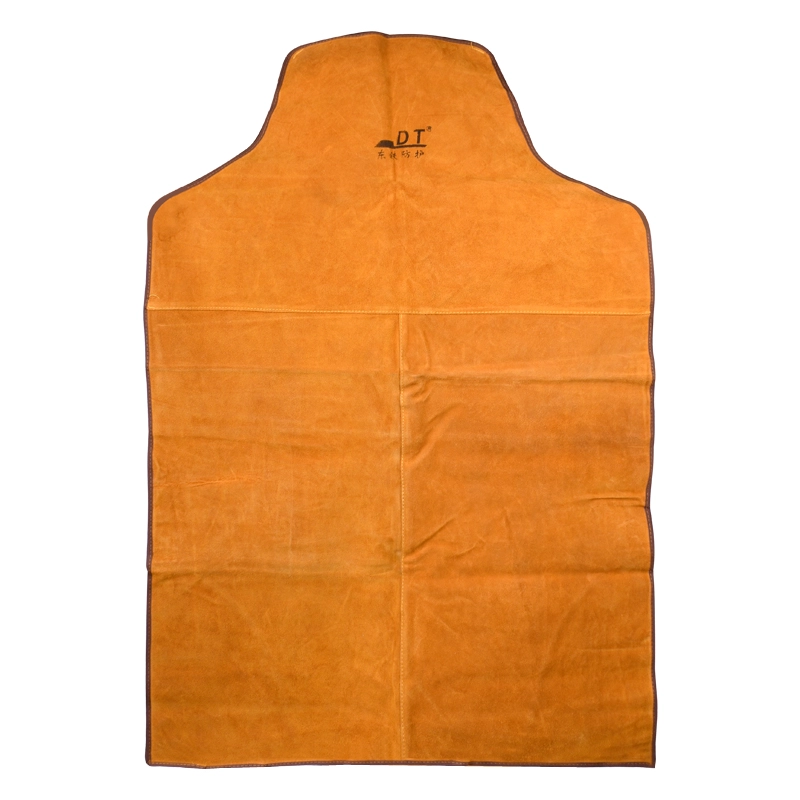
3. How Does a Bib Apron Compare to Welding Jackets?
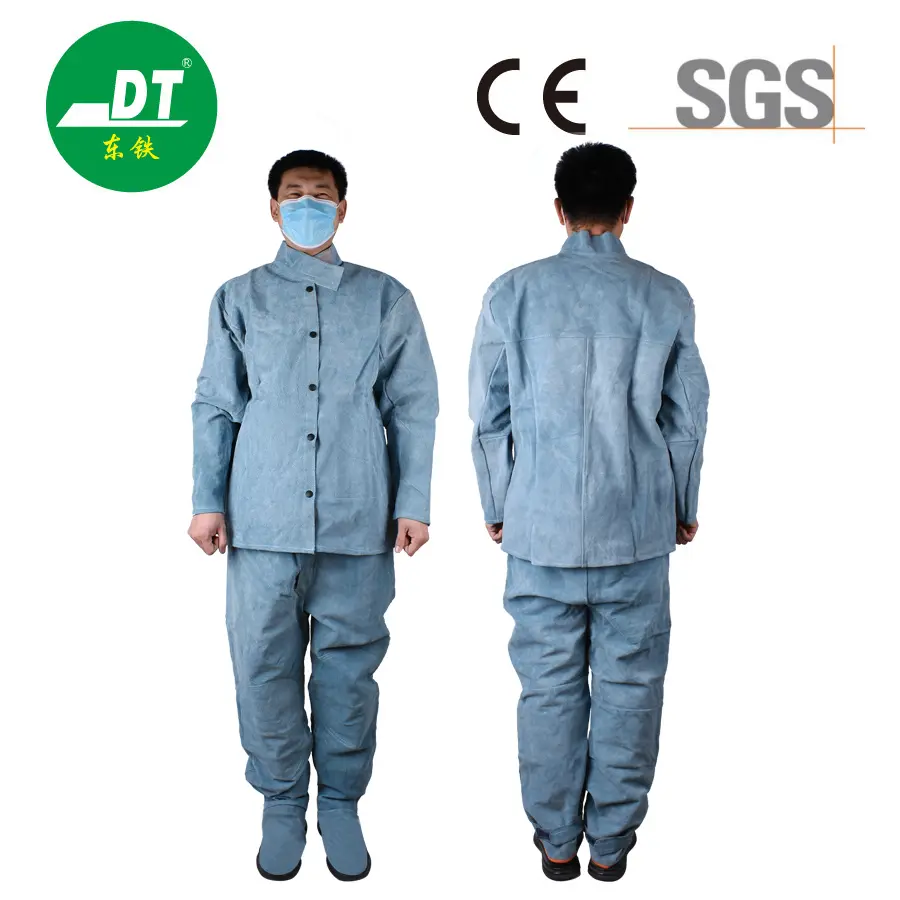
Many professionals wonder if they should wear heavy welding jackets or stick to a simpler torso covering. Let's briefly compare them to see which fits your specific application. Jackets offer complete enclosure. They wrap around your arms, your back, and your entire chest. However, they trap a huge amount of body heat inside the garment, creating a micro-climate of sweat and exhaustion.
In a stuffy facility during the summer, a full coat becomes highly uncomfortable very quickly. Workers often end up unbuttoning them, which defeats the safety purpose entirely. Conversely, a bib covers your chest and upper legs but leaves your back wide open. This smart design provides much-needed ventilation while still offering the appropriate level of protection exactly where you face the thermal blast.
For maximum protection and ease, many fabricators prefer a heavy front covering matched with separate arm sleeves. This modular approach keeps you cool without sacrificing your well-being. It allows sweat to evaporate off your back while your front remains an impenetrable fortress against flying slag in the weld area.
4. Should You Choose a Full Length or a Half Garment for Your Weld?
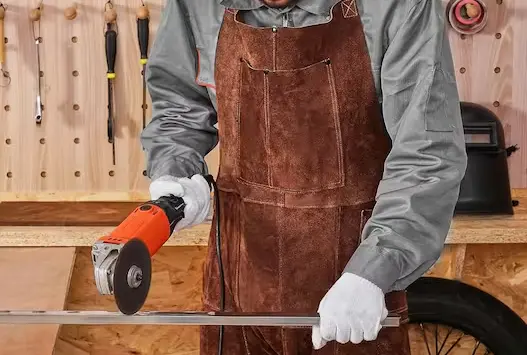
Front coverings come in several different styles tailored for different jobs. A full-length piece covers from your collarbone all the way down past your knees. A half version simply ties around your waist, looking much like what a carpenter might wear. If you sit at a workbench all day doing intricate metal manipulation, a full-length garment is ideal. It stops spatter from falling straight onto your lap while you are seated.
A half version is better for folks who just need to shield their legs while standing back from the main action, such as a weld inspector or a supervisor. However, for most common welding tasks, a full-length piece provides a superior shield against stray droplets from a volatile weld puddle.
Always inspect the harness system before purchasing. An X-shaped strap system across your shoulders prevents the heavy material from pulling down directly on your cervical spine. This ergonomic feature is a game-changer over a long shift, preventing the nagging shoulder pain that plagues many veteran tradesmen.
5. How Do You Balance Security and Ease During Long Weld Sessions?
A fabricator often works ten or twelve-hour days in less-than-ideal conditions. If your safety gear is too heavy or poorly fitted, physical fatigue sets in fast. To properly balance safety and comfort, you need adjustable straps that distribute weight evenly across your entire body. When the weight is distributed properly, the worker can focus on the weld preparation rather than their aching back.
A crossed arrangement on the back takes the load completely off your neck. If you slip into a harness with just a simple neck loop, it will drag your head forward all day. A good harness system makes a heavy leather welding apron feel surprisingly lightweight.
Don't forget that your body needs to breathe. By choosing a quality quality reverse clothing garment instead of an enclosed coat, you get excellent heat resistance while staying relatively cool. Providing breathable options for your crew reduces heat exhaustion, lowers the risk of dehydration, and keeps shop productivity high throughout the hottest months of the year.
6. Why Pair Welding Aprons with Protective Sleeves?
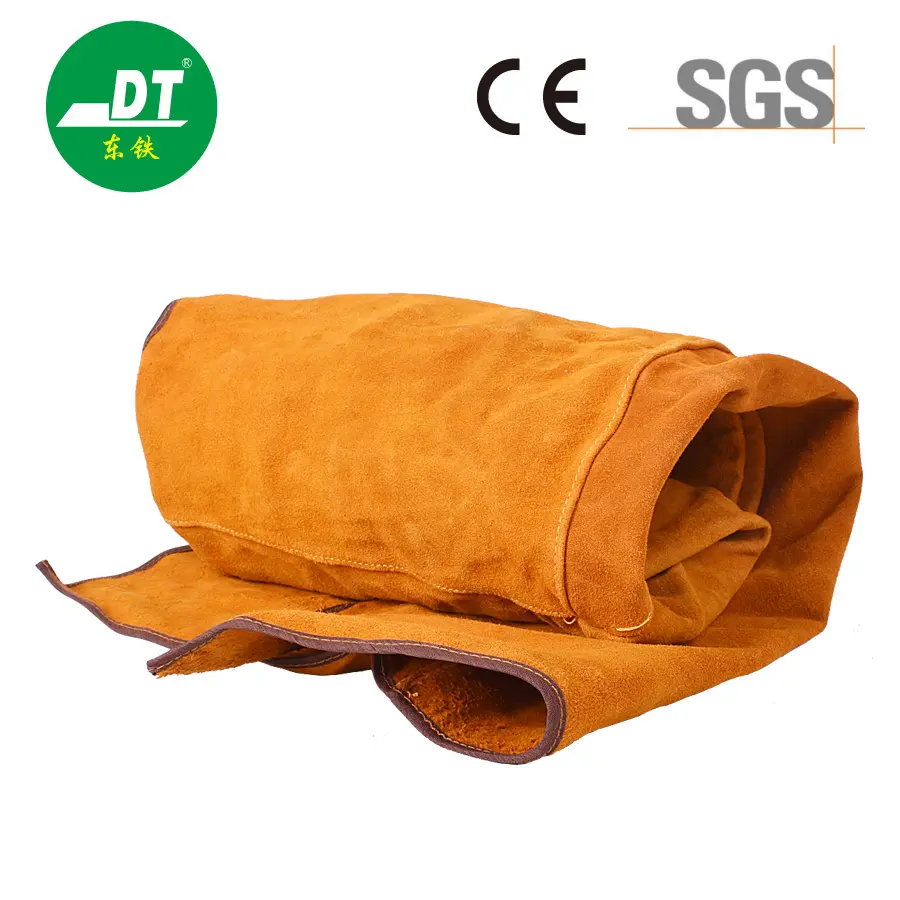
A torso covering guards your core, but what about your arms? A single protective sleeve or a full pair of sleeves provides targeted armor for your limbs. You can simply slip them on right over your base layer shirt. They snap or tie into place, providing localized defense exactly where the sparks are flying the thickest.
When you combine a heavy front piece with a sturdy sleeve, you get the best of both worlds. You get the heavy defense of a jacket on your arms and chest, but your back can still breathe freely. It is an affordable and highly practical solution for shops running on a tight budget that still want to maintain compliance with safety regulations.
An arm covering is absolutely essential when you are reaching over a hot weld puddle to clamp a piece of steel. Just like thick welding gloves and an auto-darkening helmet, these arm protectors are a mandatory part of your daily welding supply inventory.
7. Are Denim Welding Aprons Good for Light Weld Work?
Leather is undoubtedly great, but what if you just do light to moderate welding? Can you use other textiles to save weight? Yes, you can. A heavy denim or a dense cotton fabric can work for very light TIG work where sparks and spatter are extremely low. TIG generates very little flying debris compared to other methods.
Denim is a breathable material that is incredibly easy to wear all day. However, denim and a treated cotton welding garment do not offer the extreme thermal defense of animal hide. If a large glob of molten steel hits denim, it can easily scorch right through to the skin beneath.
Only use a cloth or a specially treated canvas covering if you are absolutely sure the sparks are minimal. For anything involving a heavy arc or a grinding wheel, you must upgrade to thicker, more robust materials to avoid a serious accident on the floor.
8. How Do Leather Welding Aprons Provide the Highest Safety?
When dealing with high heat, natural hide is the ultimate defensive barrier. A robust cowhide covering acts as a thick, fire-resistant wall between you and the fire. Unlike synthetic garments, leather won't burst into flame easily when bombarded by glowing slag. It smolders slowly, giving the worker plenty of time to brush the ember away.
The pure density of the hide is key. It acts as a shock absorber for sudden splatter. The molten droplets simply bounce off the exterior surface, keeping the worker safe from serious injury. Check out our premium leather work apron for a prime example of this type of rugged defense.
When you order from a reliable manufacturer, you can even personalize your leather gear with custom factory logos. But its core function remains to defend your chest and legs from the intense reality of the trade. Every professional deserves apparel that is as tough as the job itself.
9. What Features Should the Best Welding Apron Have?
To find the optimal protective layer, always look for double-stitched seams using strong Kevlar thread. This ensures the leather construction will not fall apart under daily stress. A single torn seam can render the entire piece of equipment useless, exposing the worker to direct thermal threats.
Next, look for deep pockets. A high-quality product should have pockets to hold your soapstone, chipping hammer, or small tools. However, the pockets should have tight flaps so they don't catch flying sparks. An open pocket is just a basket waiting to catch a fire hazard during a messy weld process.
The straps should be easily adjustable and buckle securely using brass rivets or heavy-duty plastic clips. You don't want the covering to slip off your shoulder while you are laying down a critical structural weld. Our reflective foil garment includes robust fastening mechanisms for total peace of mind on the job.
10. How Do Welding Jackets and an Apron Protect Against Weld Spatter?
Both jackets and aprons are heavily engineered to aggressively deflect spatter. Spatter is composed of tiny droplets of molten alloy that fly away from the weld pool during the joining process. This occurs most frequently in Flux-Core and Stick applications.
If these droplets land on unprotected skin, they cause immediate, deep burns. Defensive wear creates a sloped surface that causes the hot material to roll right off before it has a chance to transfer its thermal energy. Ensure your bib covers your chest entirely and laps slightly over your work pants.
Finally, when it comes to welding, always secure the wrist and neck areas. Whether you wear a full coat or an apron and protective leather arm coverings combo, leaving gaps is an invitation for a stray spark to find its way inside. Always prioritize your physical well-being over temporary convenience. The highest priority in any environment is making sure everyone goes home unharmed.
Summary of Key Takeaways
- Prioritize Material: Choose cowhide leather for heavy tasks and a cotton covering only for light TIG work where flying debris is minimal.
- Watch Your Back: Opt for a cross-strap system to eliminate neck strain and physical fatigue during long, demanding shifts.
- Combine Equipment: Pair your front covering with a sturdy arm sleeve to armor your limbs without overheating like you would in full welding jackets.
- Inspect the Details: Ensure your apparel uses Kevlar stitching and covered pockets to prevent stray embers from causing hidden damage.
- Stay Cool and Secure: Balance ventilation with proper defense by choosing the right style for your specific shop environment.