Choosing the Right Pair: The 3 Types of Welding Gloves for Every Type of Welding
Your hands are your livelihood. A solid glove protects you from severe burns, cuts, and long-term injuries. Finding the exact glove for your job saves time, prevents mistakes, and keeps you safe on the shop floor. This guide breaks down everything you need to know about hand protection. We will explore the gear you need for peak performance, helping you make smart choices for your daily tasks.
Why Is Choosing the Right Protective Gear Essential for Every Welder?
When working with molten metal, a single rogue spark can cause a severe burn in a fraction of a second. Choosing the right protective gear keeps a welder safe from extreme danger. The welder's hands sit closest to the danger zone, making protection from sparks and heat a top priority. A solid glove blocks the high temperatures generated during welding. Every type of welding demands a highly specific type of glove. Using the wrong glove can lead to disaster on the shop floor.
For example, thick gloves may block your hand movement on delicate jobs, while a thin glove offers zero protection from heat for heavy tasks. The right welding glove brings safety and comfort together seamlessly. The right gloves can make a massive difference in your welding projects. When you equip the right pair, your daily tasks become much safer and far less stressful. To start off on the right foot, you must consider the type of welding you plan to execute.
"A reliable glove is a welder's best friend. Treat your safety gear well, and it will keep you out of the hospital."
What Are the 3 Types of Welding Gloves Available on the Market?
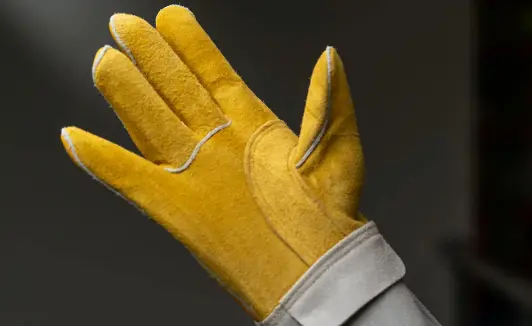
Walk into any hardware store or supply shop, and you will notice many styles of hand gear hanging on the racks. Generally, you will find exactly 3 types of welding gloves on the shelf. These match the three main types of welding: Stick, MIG, and TIG. Knowing the common types helps you grab the right ones for your daily work. Each glove serves a highly specific purpose. A glove built for one task will absolutely fail at another.
The main types of welding gloves feature unique traits that fit specific environments. Stick gloves are typically built like heavy armor, ready for war. MIG gloves provide a great mix of armor and movement, giving you the best of both worlds. Finally, TIG gloves are ideal for tasks needing a light touch, acting like a second skin. Picking the best glove depends entirely on the type of welding being performed. You cannot use one glove for everything, because the gloves need to match the arc perfectly.
How Do You Choose the Right Welding Glove for Your Specific Needs?
To choose the right welding glove, you must look closely at your daily work. Are you fusing thick steel plates for a bridge, or are you patching thin aluminum sheets on a car? The level of heat changes dramatically based on the machine settings. Every type of welding creates different hazards. You need a glove that matches those exact hazards. You must evaluate the entire welding process before buying a new glove.
If you pick the wrong glove, your hands will suffer. You must look for gloves that offer strong defense but still allow you to grip your tools firmly. A comfortable fit is mandatory. If the glove pinches or binds, it will distract you from the weld pool. Therefore, choosing the right size of glove matters just as much as the leather it uses. A well-fitted glove is a safe glove.
Here is a quick breakdown to help you visualize the differences:
| Welding Process | Recommended Leather Material | Key Benefit |
|---|---|---|
| Stick (SMAW) | Elk or Cowhide | Maximum Heat Block |
| MIG (GMAW) | Deerskin & Cowhide | Protection and Flex |
| TIG (GTAW) | Goatskin | Ultimate Dexterity |
What Type of Welding Demands Stick Welding Gloves?
Stick welding creates intense heat and heavy spatter that flies everywhere. For this type of welding, you need the absolute toughest glove available on the market. Stick welding gloves are built like battle tanks. They handle extreme heat without shrinking or curling up. You must find gloves that offer maximum heat protection. A flimsy glove will fail instantly under these brutal conditions.
These gloves are made from thick elk or cowhide. This high-quality leather acts as a heavy shield against flying slag. Because this heavy-duty work does not require tiny finger motions, you can safely trade some dexterity for superior safety. A thick glove gives you reliable protection from sparks. When you need heavy armor to survive the shift, you must select this robust style of hand protection.
Why Are MIG Welding Gloves Designed for Both Protection and Flexibility?
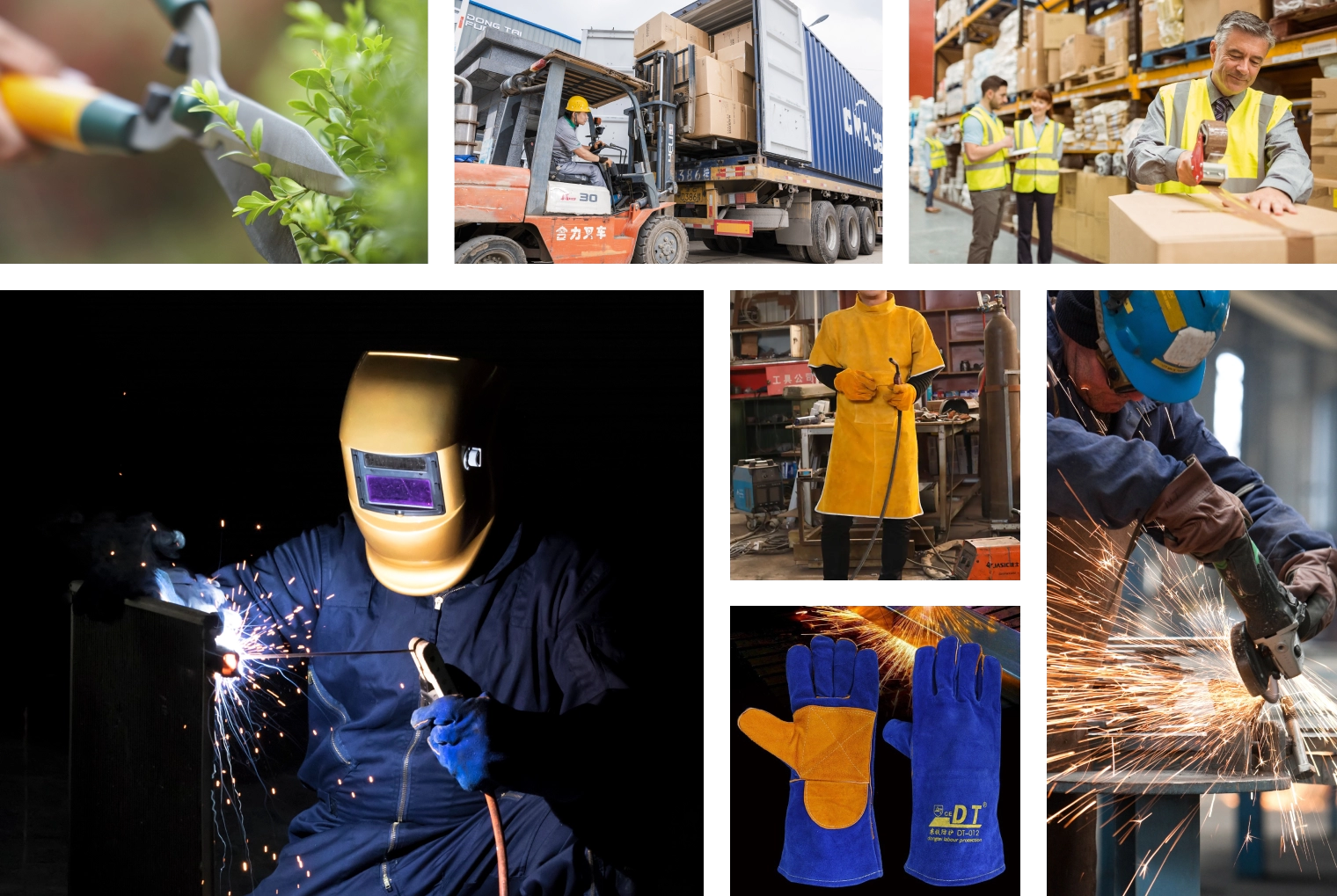
Metal inert gas welding requires a clever middle ground. MIG welding gloves must protect your skin while letting you pull a trigger easily over and over again. You face medium heat, so the glove needs decent thickness to block the warmth. However, MIG welders also need enough flex to guide the welding gun smoothly along the joint. A stiff glove ruins your bead by making your hand jitter.
A good MIG glove gives you protection and flexibility in one neat package. Usually, these gloves include materials like deerskin or pigskin on the fingers, paired with cowhide on the back. This clever mix ensures solid abrasion resistance and excellent hand movement. Finding the right glove means balancing these two needs perfectly. For instance, the 10.5 Inch Single Layer Leather Welding Gloves offer excellent control for everyday fabrication tasks.
How Do TIG Welding Gloves Provide Unmatched Dexterity?
Tungsten inert gas welding is a highly delicate art form. You must feed a thin filler wire with one hand while holding a small tungsten electrode torch in the other. Therefore, TIG welding gloves must be very thin. You need maximum dexterity to do the job right. A bulky glove will mess up your weld immediately because you cannot feel the wire feeding. TIG welding is all about precision and control.
Because TIG welding produces fewer flying sparks, the glove focuses less on heavy armor. TIG gloves are mostly made from goatskin or thin leather. These premium materials let you feel the wire clearly through the fingertips. This glove feels totally natural. The right glove here acts almost like a second layer of skin, giving you total command over the welding process.
What Kinds of Leather Are Gloves Made From?
The material for welding gloves changes everything about how they perform. Welding gloves are made from various animal hides. Each hide carries its own advantages and disadvantages. For instance, cowhide is incredibly tough and affordable, making it a very popular choice in busy factories. It holds up exceptionally well against sharp objects and intense heat. Many seasoned professionals prefer a cowhide glove for their rugged daily chores.
Elk skin resists heat cracking better than anything else, making it a premium choice. Pigskin gloves are fantastic because the natural oils in the leather help them stay soft even after getting wet from sweat or rain. Goatskin provides the absolute best touch sensitivity for fine work. Sometimes, you see deerskin used because it shapes to your hand perfectly over time. Knowing how gloves made from different skins perform helps you pick the right glove for your toolbox.
How Does Heat Resistance and Durability Impact the Right Gloves?
Heat resistance is the main job of any glove used in a metal shop. If a glove hardens or shrinks under fire, it fails its primary mission. High heat resistance keeps your skin completely safe from radiant temperatures. Durability means the glove lasts through weeks or months of hard work. You want a durable glove that survives daily abuse without tearing or splitting open.
When picking a glove, you must check the high-wear areas. Do they have extra padding on the thumb crotch? A good glove features extra leather on the palm. These patches offer additional protection where you hold the hot torch or rest your hand on the metal. Heat resistance and durability ensure you get your money's worth out of every purchase. A sturdy glove keeps you working smoothly without constant interruptions to fetch a new pair.
Why Do Different Types of Welding Gloves Need Kevlar Thread?
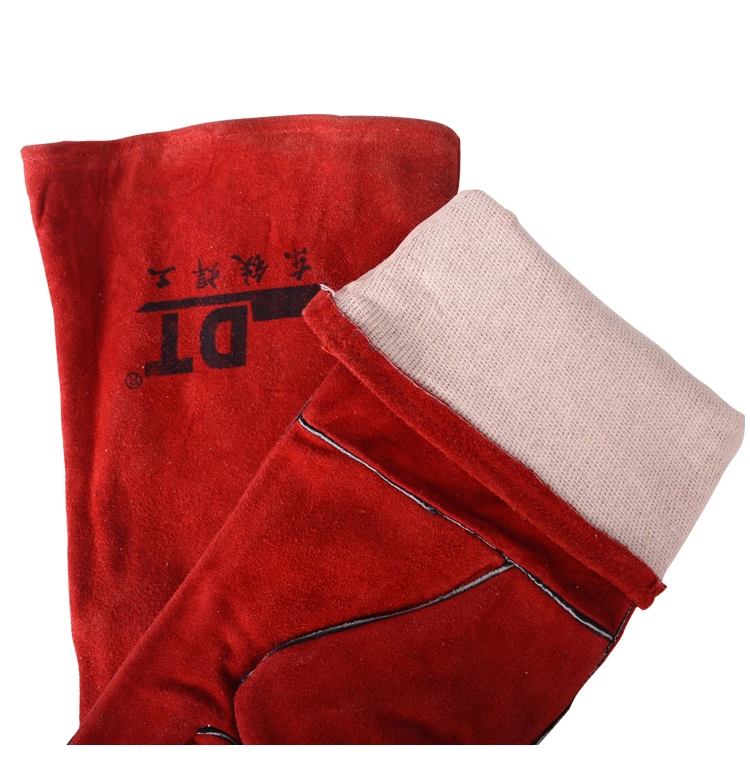
Regular cotton thread burns quickly in a welding shop. When hot sparks hit cotton stitching, the seams pop open almost instantly. That is why different types of welding gloves use Kevlar thread. Kevlar is highly heat-resistant and extremely strong. It holds the glove together tightly, even in the harshest heat environments.
Whether you use MIG gloves or heavy stick mitts, the stitching matters greatly. Kevlar thread prevents the glove from falling apart mid-weld. When you inspect a glove, always check the seams carefully. Using a glove stitched with Kevlar means you can trust your gear completely. A broken seam exposes your bare hand to ultraviolet light and molten slag, so a glove with strong thread is utterly crucial for your well-being.
How Can You Ensure a Comfortable Fit When You Choose the Right Welding Gloves?
A glove that does not fit correctly will slow you down and frustrate you. You must find a comfortable fit to work safely and efficiently. If a glove is too tight, your hand will cramp up after just an hour. If the glove is too loose, you might drop your expensive tools or trip the torch trigger accidentally. When you choose the right welding gloves, the size of the glove is just as vital as the leather it is crafted from.
To get the best fit, try the glove on and make a tight fist. Check if the glove pinches your fingers or restricts your knuckles. Choose gloves with soft inner linings. Cotton or fleece linings soak up sweat and block extra heat from reaching your skin. Heat resistance and flexibility both rely heavily on a proper, snug fit. A proper glove makes the entire welding process much easier and far less tiring. If you want a comfortable option, consider the AB Grade Cowhide Elastic Cuff Gloves.
What Other Factors Help You Choose the Right Welding Gear?
You must look at your whole work environment before making a purchase. Do you work outside in the freezing winter? You might need an insulated glove to prevent frostbite. Choose the right gear based on your daily setting and local climate. If you switch between different machines, you might need more than one glove in your bag. Every welder has unique needs for their specific type of welding.
Choosing the right glove also means looking at the cuffs. Long gauntlet cuffs protect your forearms from flying slag and ultraviolet radiation. Some heavy industrial jobs require a 14-inch glove, like the 14 inch Dark Green Leather Welder Protective Gloves. These give excellent coverage from the wrist to the elbow. To stay safe, you must evaluate the entire welding process before buying a new glove. Having proper gloves is essential for your long-term health in this demanding trade.
How Do You Maintain Your Glove for Long-Lasting Use?
Buying a great glove is only step one. Taking care of that glove is step two. Never use your glove to pick up glowing red metal straight off the welding table. This lazy habit will destroy the leather instantly and burn your fingers. Keep your glove away from oil and grease at all costs. Oil ruins the heat resistance of the leather entirely, turning your safety gear into a flammable hazard. Your glove must stay dry and clean.
Let your glove dry naturally at room temperature if it gets wet from sweat. Do not put the glove directly on a space heater, or the leather will bake, crack, and shrink. Good maintenance extends the life of the glove greatly, saving you money. If you take care of your glove, it will take care of you. A well-maintained glove offers reliable protection from heat day after day. Proper care keeps a glove soft, pliable, and incredibly durable.
Conclusion: Are You Ready to Choose the Right Welding Glove?
Your hands build the world around you. Protecting them with the right glove is highly critical to your career and your life. Remember, you must carefully evaluate the welding applications you face daily. From heavy cowhide to soft goatskin, the perfect glove is out there waiting for you. Choosing the right glove sets you up for absolute success on the shop floor.
Do not settle for a cheap glove that puts you at risk to save a few pennies. Find a glove that fits well, uses Kevlar thread, and handles the heat and sparks of your specific job. A top-tier glove gives you total peace of mind, allowing you to focus on the puddle. Let the right glove help you create flawless welds safely and consistently. The right gloves make your job easier, faster, and better. Welding gloves can make a huge impact on your daily grind.
Key Takeaways to Remember:
- Always match the glove material to the welding process you are performing.
- Check the stitching. Only buy gloves that utilize Kevlar thread for maximum durability.
- Fit matters. A glove that is too loose or too tight creates a safety hazard.
- Maintain your gear. Keep your gloves away from oil and dry them naturally.
- Invest in quality. High-grade leather saves money in the long run by outlasting cheap alternatives.