Choosing the Right Welding Glove: A Guide to Different Types of Welding Gloves and Materials
When sparks fly and molten metal drips, the only thing standing between a welder's hands and a serious injury is a reliable pair of gloves. However, viewing these essential safety tools as mere commodities is a mistake that can lead to decreased productivity, discomfort, and safety violations. For distributors and safety officers, understanding that not all hand protection is created equal is vital. The sheer variety of types of welding gloves available on the market can be overwhelming, but selecting the right welding glove is not a guessing game; it is a science based on the specific type of welding being performed. This article delves deep into the nuances of choosing the right gloves, exploring materials, heat ratings, and the specific needs of different welding techniques.
Why Do Different Types of Welding Require Different Gloves?
You wouldn't wear a parka to run a marathon, nor would you wear a t-shirt to climb Mount Everest. Similarly, different types of welding require drastically different protective gear. The welding process dictates the level of heat, the amount of spatter, and the necessary dexterity required to perform the job correctly. When it comes to welding, a "one-size-fits-all" approach is rarely effective.
For instance, precision welding tasks require a glove that offers high tactile sensitivity, allowing the welder to feel the filler rod. Conversely, heavy-duty structural welding generates immense heat and spatter, requiring thick, robust insulation. If you use a thin glove for high-amperage work, you risk burns. If you use a bulky glove for delicate work, the weld quality suffers. Therefore, selecting the right gloves starts with analyzing the specific hazards and mechanical requirements of the welding application. Welding gloves are designed with these specific parameters in mind, ensuring that the right glove enhances performance rather than hindering it.
What Are the Key Characteristics of TIG Welding Gloves?
TIG welding (Tungsten Inert Gas) is known for its precision and cleanliness. It produces the least amount of spatter but requires the highest level of dexterity. When choosing welding gloves for this process, the primary focus is on sensitivity. TIG welding gloves are typically made from thinner, softer leathers such as goatskin or kidskin. These materials allow the welder to manipulate the torch and feed the filler rod with exceptional control.
Because TIG welding generally operates at lower amperages, the heat resistance requirements are lower compared to other processes. However, this doesn't mean protection is compromised. A high-quality TIG glove will often feature an unlined palm to maximize feel, while the back of the hand might have a thin lining to protect against radiant heat. Goatskin gloves with a heat-resistant cuff are a popular choice. The fit should be snug, almost like a second skin. If you are looking for gloves for TIG welding, avoid bulky, thick options. The best welding gloves for TIG act as an extension of the hand, providing protection without sacrificing the "touch" that is so critical to the art of TIG welding.
How Do MIG Welding Gloves Balance Protection and Flexibility?
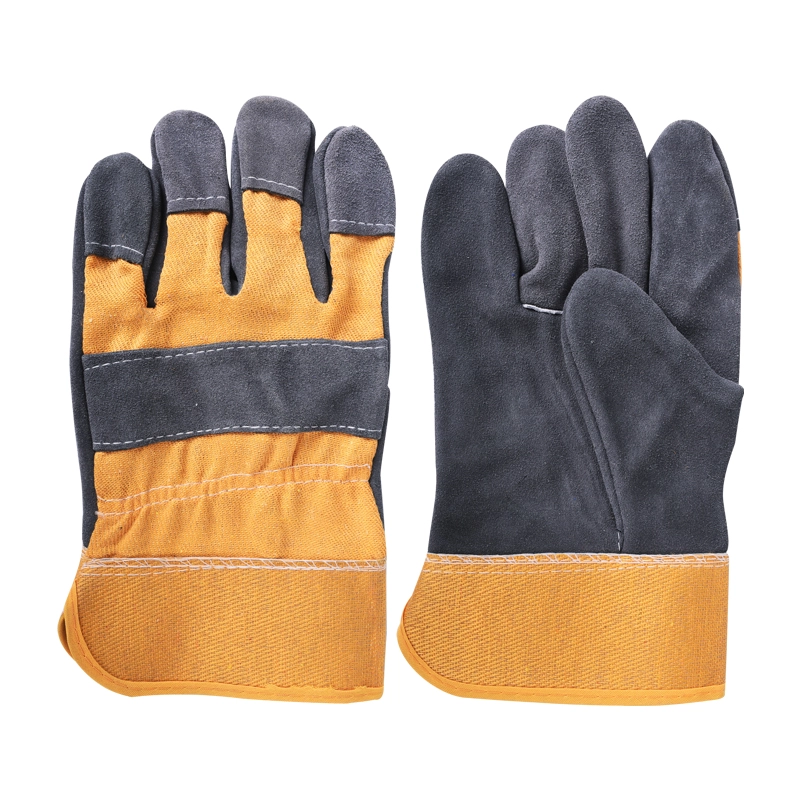
MIG welding (Metal Inert Gas) occupies the middle ground in the welding spectrum. It generates more heat and spatter than TIG but generally less than stick welding. Therefore, MIG welding gloves need to be the "Goldilocks" of the industry—not too thin, not too thick. They must offer a balance between heat resistance and dexterity.
Typically, MIG welding gloves are made from heavier leathers like cowhide or pigskin. Pigskin gloves are particularly valued for their breathability and resistance to oil and water, ensuring the glove remains comfortable during long shifts. MIG welding gloves often feature a lining to absorb sweat and provide thermal insulation. The design usually includes a gauntlet cuff to protect the wrist and forearm from spatter. When you choose the right welding glove for MIG applications, look for reinforcements in high-wear areas like the thumb and palm. These gloves provide the durability needed to handle the MIG gun trigger and the rougher environment of a fabrication shop while still allowing for adequate hand movement.
Why Does Stick Welding Require Maximum Heat Resistance?
Stick welding, or Shielded Metal Arc Welding (SMAW), is the heavy-hitter of welding processes. Stick welding produces intense heat, significant spatter, and heavy sparks. Consequently, stick welding gloves must be built like tanks. The priority here is maximum protection against thermal risks and physical abuse. Dexterity is secondary to ensuring the welder's hands do not get burned.
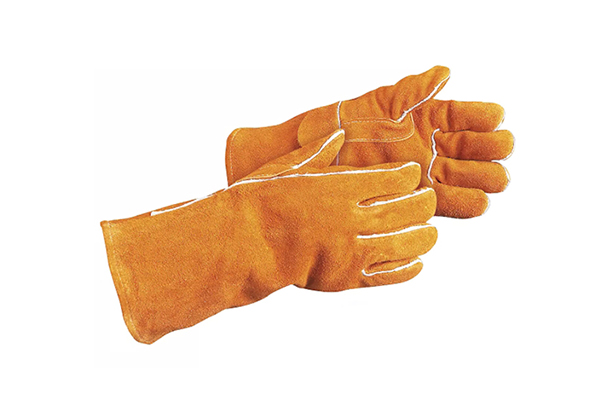
Stick welding gloves are almost exclusively made from split cowhide or elk skin. These types of leather are thick and durable. To handle the extreme temperatures, these gloves are often lined with insulating materials like wool, foam, or aluminized fabrics. Some advanced options, like our 14'' Cowhide and Aluminum Foil Welding Gloves, utilize reflective materials to deflect radiant heat. Thicker gloves are non-negotiable here. The gloves need to withstand contact with hot metal and the constant bombardment of sparks. When shopping for welding gloves for stick applications, always prioritize insulation and coverage length.
Leather Welding Gloves: How Do Different Types of Leather Affect Performance?
Leather remains the gold standard material for welding gloves due to its natural durability and non-flammable properties. However, not all leather is the same. Understanding different types of leather is crucial when you choose the best welding gloves for your inventory or team.
- Cowhide: The most popular choice. It is tough, durable, and affordable. Split cowhide provides excellent heat resistance and is perfect for stick welding gloves. Top-grain cowhide is smoother and offers better dexterity for MIG welding.
- Goatskin: Extremely soft and pliable. It has high tensile strength despite being thin. This makes it the premier choice for TIG gloves, where feel is everything.
- Pigskin: Known for its resilience. It holds up well in wet or oily conditions and stays soft after drying. It offers good breathability, making it comfortable for MIG welding.
- Deerskin: The ultimate in comfort. It molds to the hand and offers great dexterity. However, it is generally more expensive and less heat-resistant than cowhide, making it suitable for TIG or light-duty MIG.
- Elkskin: Similar to deerskin but thicker and tougher. It resists hardening when exposed to high heat, making it excellent for heavy-duty applications where comfort is still desired.
By understanding these types of leather, distributors can better advise their clients on which glove will perform best in their specific environment.
What Role Does Heat Resistance Play in Choosing the Right Glove?
Heat resistance is arguably the most critical factor in welding glove selection. The American Welding Society and various safety standards categorize protective gear based on thermal performance. Welding involves temperatures that can melt steel, so the glove must act as a reliable barrier.
The level of heat resistance is determined by the material thickness, the type of leather, and the lining. Gloves with a heat-resistant lining made of cotton, fleece, or specialized foam offer significantly better protection than unlined gloves. For extreme environments, materials like Kevlar or aluminized backings are used to reflect radiant heat. It is important to remember that welding produces the most heat during high-amperage arc welding. In these scenarios, a standard work glove or a thin leather glove will fail, potentially leading to severe burns. Always look for gloves that are rated for the temperatures expected in the specific welding task. Gloves can provide the necessary thermal break to keep the welder safe and productive.
When Should You Consider Cut Resistant Gloves in Welding Applications?
While heat is the primary concern, physical hazards like sharp metal edges are ubiquitous in a metalworking shop. A welder often has to handle sheet metal, grind welds, or move rough stock. This is where cut resistant gloves become essential. Standard leather welding gloves offer some abrasion resistance, but they may not stop a sharp slice from a burr or a knife.
Modern welding gloves are made incorporating liners made from high-strength fibers like Kevlar or HPPE (High-Performance Polyethylene) to provide ANSI-rated cut protection. These gloves offer a dual layer of safety: the outer leather shell protects against fire and heat, while the inner liner protects against cuts and lacerations. For industries like automotive repair or construction, where various welding and fabrication tasks happen simultaneously, investing in cut resistant gloves that are also rated for welding is a smart move. It simplifies the PPE inventory and ensures workers are protected from multiple risks without having to switch gloves constantly.
How to Choose the Best Welding Gloves for Safety and Comfort?
Choosing the right ones involves more than just picking a material. Fit and comfort are paramount. If a pair of gloves is uncomfortable, workers are less likely to wear them, or they may take them off to perform tasks, exposing themselves to danger. Gloves should fit snugly but not restrict blood flow or movement.
Look for ergonomic designs that feature pre-curved fingers or "wing thumbs" which reduce hand fatigue during gripping. Stitching is another vital component. Gloves made with Kevlar stitching are far superior because the thread is heat-resistant and won't burn out, ensuring the glove holds together under stress. Additionally, consider the cuff length. A longer gauntlet provides better forearm protection against sparks. When you choose the best welding gloves, you are balancing the welding type, the heat level, and the human factor of comfort. A comfortable glove is a safe glove because it stays on the hand.
Why is Quality Construction Vital for Welding Gloves Made for Industry?
In the B2B world, durability equals cost savings. Welding gloves made with poor construction techniques will fail quickly, leading to frequent replacements and higher long-term costs. High-quality welding gloves are typically made with welted seams. A welt is a thin strip of leather sewn into the seam to protect the stitching from sparks and abrasion. This small detail significantly extends the life of the glove.
Furthermore, reinforcement patches on the palm and thumb saddle add durability to high-wear areas. For heavy-duty applications like stick welding, fully lined gloves are essential not just for heat, but for internal structure stability. When you source gloves for different welding needs, examining the construction quality—stitching material, leather grade, and seam design—is just as important as the material itself. Products like our 14'' Full Leather Split Long Welding Gloves are engineered with these robust construction standards to withstand the rigors of industrial use.
Tips for Shopping for Welding Gloves: How to Select the Right Ones?
Navigating the selection of welding gloves can be simpler with a checklist. Here is a summary of what to look for:
- Identify the Process: Determine if you are doing TIG, MIG, or stick welding. This dictates the leather thickness and dexterity needed.
- Assess the Amperage: Higher amperage equals more heat. Ensure the glove has adequate lining and insulation.
- Check the Leather: Choose goatskin for feel, cowhide for durability, or pigskin for wet conditions.
- Verify the Size: A loose glove is a hazard; a tight glove causes fatigue.
- Look for Certifications: Ensure the gloves meet relevant safety standards (like CE or ANSI).
- Inspect the Stitching: Kevlar stitching is a must for longevity.
By following these guidelines, you can ensure that you choose the right welding glove every time. Whether you are stocking a distribution center or equipping a fabrication team, the right glove makes a measurable difference in your welding safety and efficiency.
Key Takeaways for Selecting Welding Gloves
- Match the Glove to the Weld: Different types of welding require specific glove attributes. TIG needs dexterity; Stick needs heat protection.
- Material Matters: Use goatskin gloves for TIG, and cowhide or pigskin for MIG and Stick.
- Heat Resistance is Crucial: Ensure the glove is lined and thick enough to handle the heat generated during welding.
- Don't Ignore Fit: Proper sizing reduces fatigue and increases safety. Gloves should fit well.
- Look for Durability: Kevlar stitching and reinforced seams extend the life of the pair of welding gloves.
- Multi-Hazard Protection: Consider cut resistant gloves if the job involves handling sharp metal.
- Proper Storage: Keep gloves in a cool, dry place to maintain the leather's integrity.